Key Characteristics of a Handgun:
- Compact Size: Handguns are generally smaller and more portable than long guns, making them suitable for concealed carry or personal defense.
- Short Barrel: Handguns feature a shorter barrel compared to rifles and shotguns.
- Grip: Handguns have a grip, which is the handle area where the shooter holds the weapon.
Common Types of Handguns:
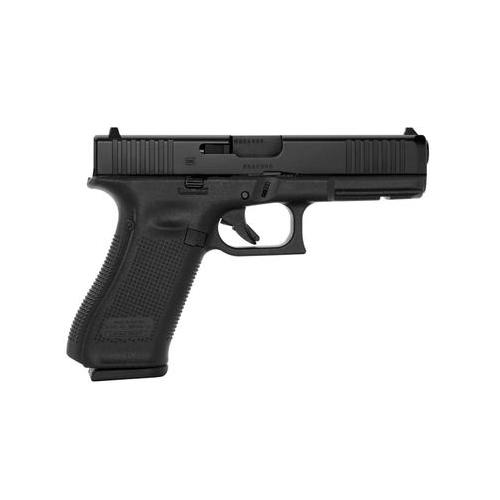
- Semi-Automatic Pistols: These are the most prevalent type of handgun today. When fired, the recoil energy from the cartridge ejects the spent case, loads a new round from the magazine, and readies the firearm for the next shot. Most semi-automatic pistols utilize a detachable magazine inserted into the grip. They are known for their high ammunition capacity and faster reload times than revolvers.
Revolvers:
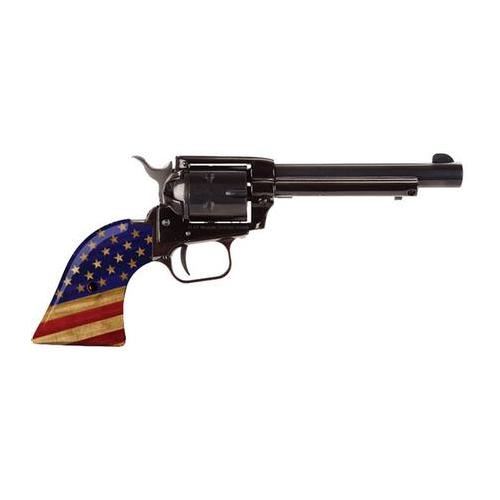
Revolvers use a revolving cylinder with multiple chambers to hold cartridges. When the trigger is pulled or the hammer is cocked, the cylinder rotates, aligning the next chamber with the barrel for firing. Revolvers are generally simpler and more reliable than semi-automatic pistols because they have fewer moving parts, making them popular for self-defense.
Basic Parts of a Handgun:
- Action (or Trigger Group): Contains the parts responsible for firing the cartridges.
- Frame: The main housing that holds the other parts and forms the grip.
- Barrel: The tube through which the bullet travels upon firing.
- Trigger: The lever is pulled to initiate the firing sequence.
- Magazine (Semi-automatic pistols): A removable component that stores and feeds ammunition into the firearm.
- Cylinder (Revolvers): A revolving component with chambers that hold cartridges.
- Sights: Aid in aiming the handgun.
- Safety Mechanism: Designed to prevent accidental discharges.


Hours of Operation